Follow-up Coaching & Support

Executive Functioning Support for Children and Families
Executive functioning skills help individuals translate intention into action. Like the brain’s control center, they help manage, plan, remember, attend, regulate, and think about our actions. Executive functioning skills develop beginning in early childhood throughout adulthood. They are skills and processes that develop and function best when they are supported consistently in the home environment.
For school aged kids, coaching can help students build skills for planning and prioritizing, attention, organization of materials, time management, emotional regulation, and follow-through.
For families, coaching supports the entire family system, recognizing these skills develop and sustain best through connection and shared support.
Drawing upon her experiences as an executive functioning skills coach, therapist, evaluator and parent, Dr. Kesselman will partner with you to ensure strategies are practical, supportive, and aimed to help create routines, strategies, and systems that make daily life feel more manageable for everyone in the family.
Some examples of what family executive functioning coaching can look like:
Creating predictable routines
Supporting transitions
Using visual supports and step-by-step guidance around daily routines
Collaborative and proactive problem solving
Establishing, implementing and maintaining family expectations

So Now What?
You finished the evaluation process; taking the show on the road can feel overwhelming, daunting, energizing and any feeling in between. From school recommendations to home based strategies, Dr. Kesselman is able to provide direct coaching and guidance to tackle the recommendations discussed in your child’s report. Sometimes, this looks like vetting the “right” extracurricular class that would best meet your child’s needs, to conveying strategies to a coach to maximize the experience. Or, planning how to talk about, or even implement, a change around a family routine or expectation. Dr. Kesselman’s experience as a therapist and parent coach is invaluable here. Having worked with families on the receiving end of comprehensive reports, she helps you bridge paper into practice with direct guidance and support.
Parent Coaching/Support
Assisting parents in gaining a comprehensive understanding of their child's strengths and areas for growth is fundamental to supporting optimal outcomes. Far too often, I have been in situations in which families feel lost in the zone between understanding their child’s needs, on paper, and implementing the recommendations discussed. Maybe you as a parent or an adult in the world have felt that, where you walked away from a big important meeting energized, ready but unsure where to begin. Or perhaps there were emotional-behavioral challenges highlighted during the evaluation and you would like to systematically work on these issues with someone who has now met and understands your child and family dynamics.
Dr. Kesselman works with families in parent coaching to establish and implement realistic goals and effective strategies. Parent coaching is therapeutic, and deeply informed by evidenced based intervention, and most important personalized to your child and family’s needs. Though not therapy, having participated in the assessment process, the hope is that the relationship foundation, which is one of the most important agents for change, will serve as a catalyst for us to work collaboratively and systematically on an identified issue(s).
Coaching Sessions for Caretakers
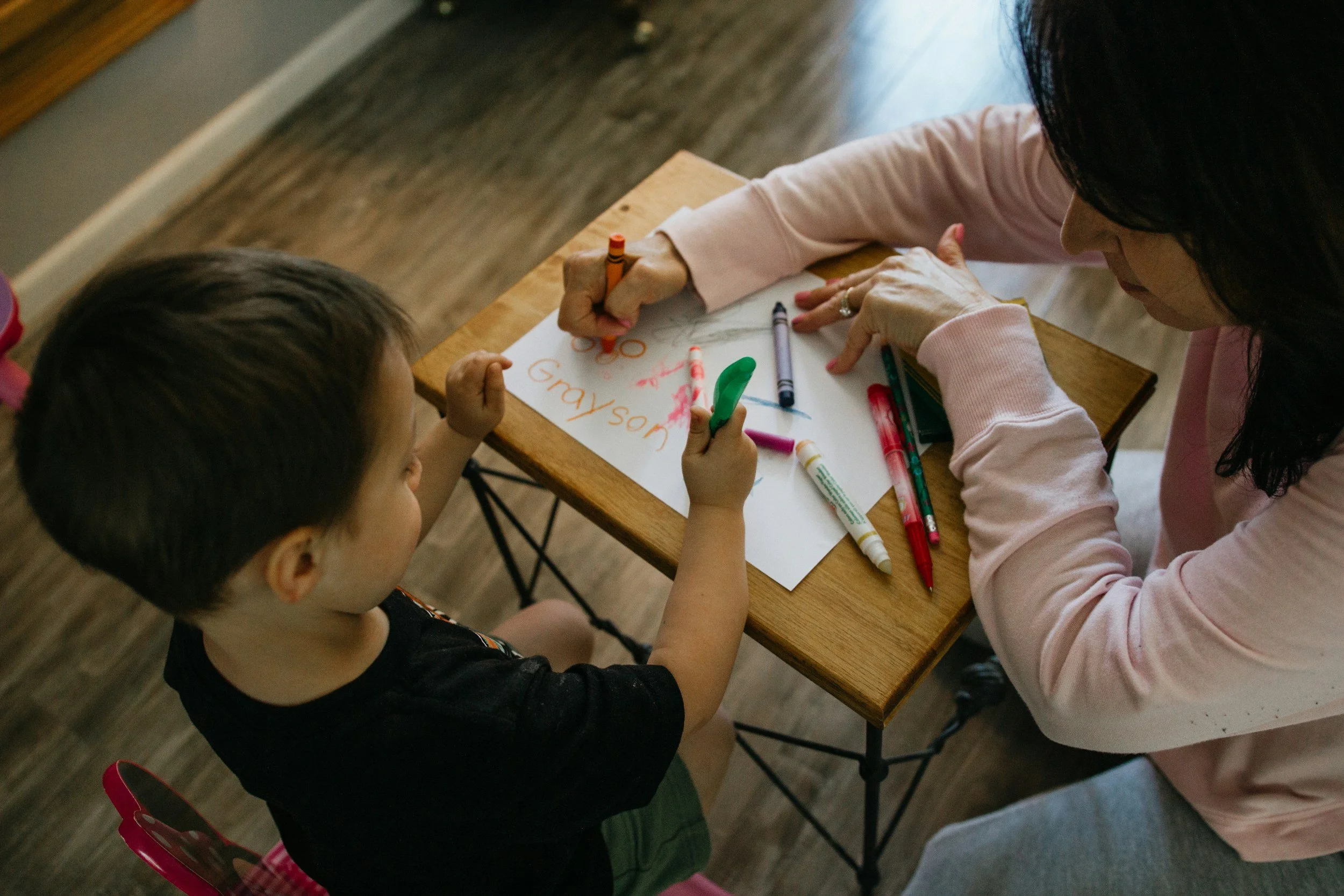
Sometimes you are not the only caretaker supporting your child. And this makes complete sense. It takes a village. Children do best when strategies are implemented consistently across caregivers. Parenting coaching supports all caregivers, including babysitters, nannies, and grandparents with practical, compassionate guidance while recognizing that raising children works best with shared support. Dr. Kesselman assists in forging partnerships among families and caretakers to build skills, confidence, and connections while emphasizing consistency to best support children.