

Early Childhood Assessment
Who Is An Early Childhood Assessment For?
An Early Childhood (Preschool-Focused) Assessment is specifically for children aged 2.5-5 years old.
Why An Early Childhood Assessment?
The preschool years are a time of rapid growth in development around cognitive, language, self-regulation, social skills, and early learning. When concerns arise during this stage, a preschool-focused neuropsychological assessment helps clarify how your young child is developing and what supports may be beneficial.
Dr. Kesselman brings both professional expertise and a deep personal interest in the toddler and preschool years. This stage is filled with exciting milestones, as well as natural inconsistencies, as young children’s brains and emotions are constantly evolving. Whether you are wondering about your child’s readiness for school or seeking guidance to better understand their unique developmental profile, a comprehensive evaluation can offer meaningful insight.
An assessment at this age is not just about identifying challenges — it is about understanding your child’s strengths, learning style, and emerging abilities. With clear, objective information about your child’s capabilities, you can make informed parenting decisions, support healthy development, and select learning and enrichment opportunities that are the best fit.
Early childhood evaluations also provide practical recommendations for supports and accommodations that can optimize your child’s experience at home and in school — helping them thrive during these foundational years.
What Is An Early Childhood Evaluation?
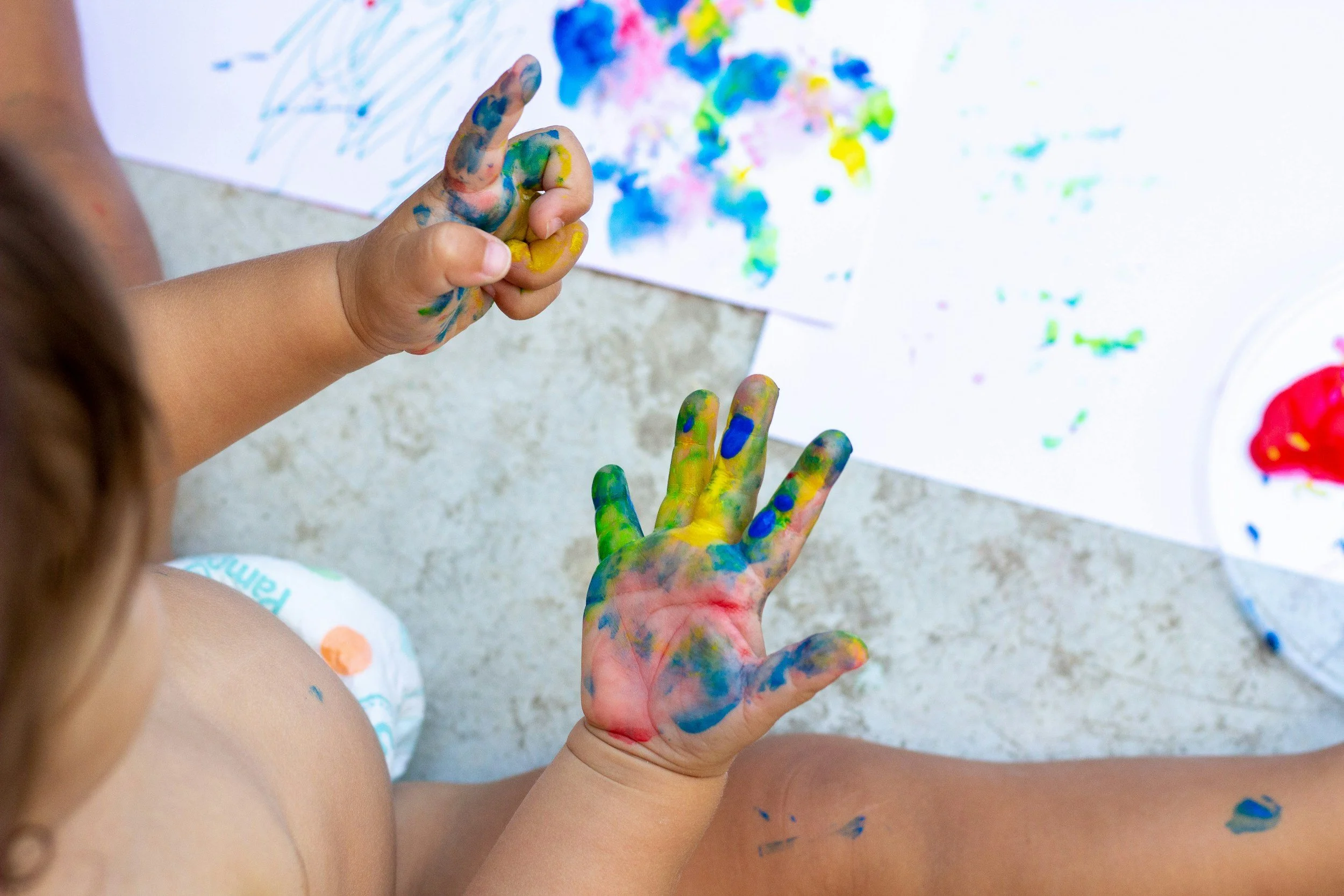
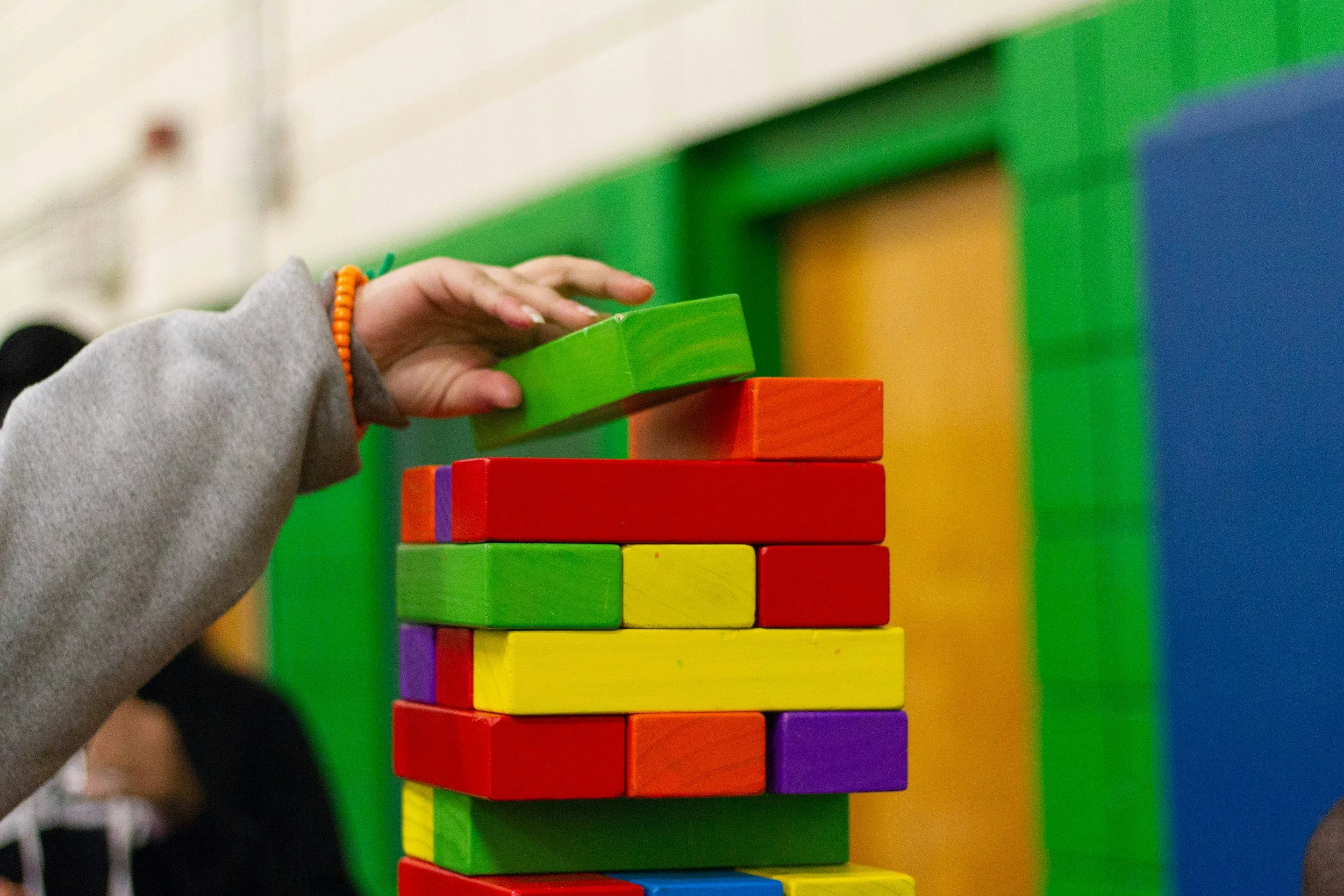
Because young children learn and communicate differently than older students, preschool evaluations are developmentally sensitive, play-based when appropriate, and carefully tailored to each child’s needs. Because of their young age and natural attention spans, sessions may be broken into shorter intervals, flexible in nature and focused on developmental expectations rather than grade level standards. We may be playing with blocks on the floor, mushing our hands in play-dough, and answering questions while wheel-barrowing down the hall.
An early childhood assessment will include
A detailed developmental history
Parent and teacher questionnaires
Review of early intervention, preschool records, daycare reports (if applicable)
Observation in preschool or natural settings (when needed)
Connecting with ancillary professionals (e.g. outside therapists)
Direct testing (this is generally fun for kids)
A comprehensive feedback session
A clear, practical written report with recommendation
The Goal
The goal of an early childhood focused neuropsychological assessment is understanding and support when the brain is most responsive to change. You will walk away from the evaluation process with a report identifying strengths and vulnerabilities and clear, practical strategies for targeted intervention.